You don't need complicated rules to taste chocolate. Just a few extra seconds and a little attention.
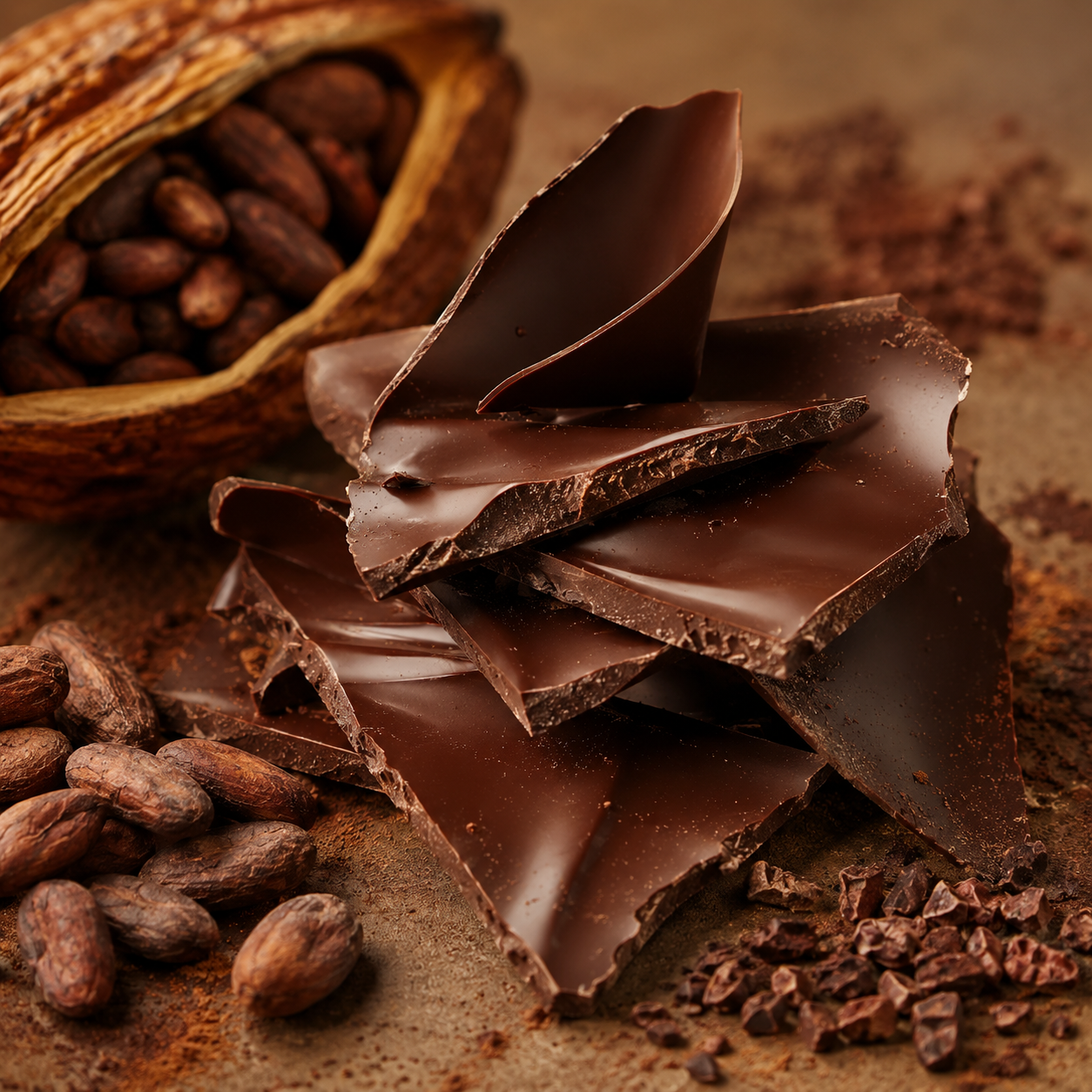
First, don't rush to chew. It sounds counterintuitive. But if you want to discover more from a chocolate, try giving it a little time. ### Look at it Observe the surface, the color, and the sheen. A darker color does not automatically mean a higher percentage of cocoa or better quality. The origin of the beans and the processing can create significant visible differences between bars. ### Snap it Listen. A well-tempered bar, especially one with a high cocoa content, usually has a firm, clean snap. It is that satisfying sound we associate with chocolate. ### Smell it Before you taste it, bring the piece close to your nose. It might seem like an exaggerated gesture until you start to notice how different two origins can be. ### Let it melt Place a small piece on your tongue and don't rush to chew. As the cocoa butter melts, the flavors are released gradually. You might discover acidity, sweetness, bitterness, or notes reminiscent of fruit, flowers, nuts, caramel, coffee, or spices. You don't have to find exactly what is written on the packaging. Tasting is not an exam. If we sense red fruits and you sense cherries or simply "something fruity," your experience is not wrong. ### Observe the finish After the chocolate has melted, wait a few more seconds. Sometimes the most interesting flavors appear right at the end and linger long after the piece of chocolate has disappeared. Then try another origin. And another. The differences become easier to notice. > Good chocolate shouldn't just be eaten more slowly. It deserves to be listened to a little more carefully.