Cacao
White chocolate doesn't have to be white.
Pink. Purple. Green. Orange. And yet, it's still white chocolate. Color is not the criterion that defines the category.
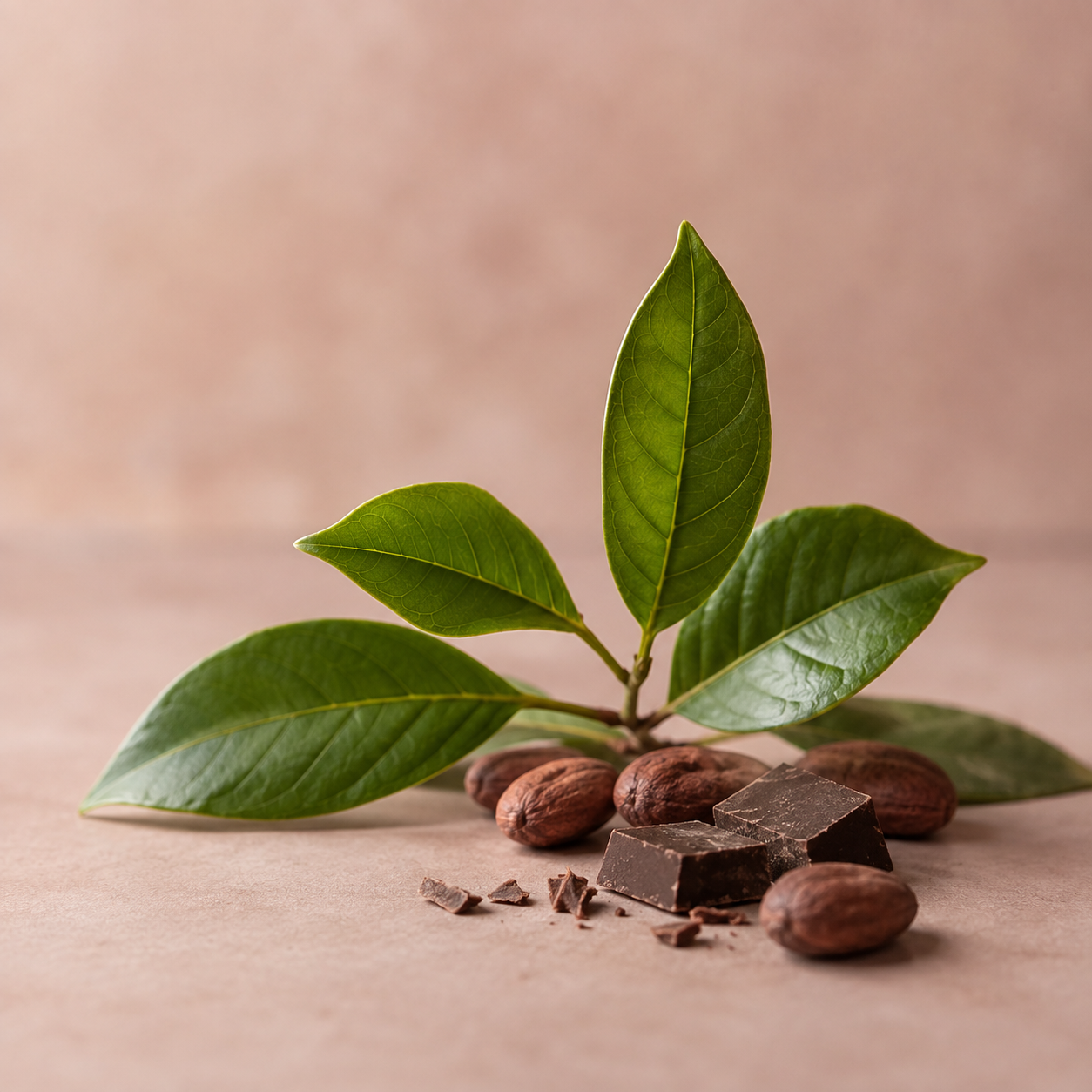
The name can be a bit misleading. When we hear "white chocolate," the first thing we naturally think of is the color. But from a composition standpoint, things are more interesting. European legislation defines white chocolate as a product obtained from cocoa butter, milk or dairy products, and sugars; it stipulates, among other things, a minimum content of 20% cocoa butter and 14% dry milk solids, of which at least 3.5% must be milk fat. Note the essential ingredient: cocoa butter. White chocolate remains part of the cocoa universe, even if it lacks the brown cocoa solids that give dark or milk chocolate their characteristic color. And this is where things can get very interesting. If we add blueberries, raspberries, strawberries, or other intensely colored natural ingredients to a recipe, the final color of the product can change radically. It can become pink. Purple. Green. Orange. And that is exactly what we love. We don't try to make natural ingredients invisible just so the product conforms to a preconceived image of what white chocolate "should" look like. If the fruit colors the chocolate, we let it. Because sometimes the color itself tells you what's inside. > White... but not quite white. And that is perfectly fine.
Sources & further reading
Directive 2000/36/EC relating to cocoa and chocolate products.